The real estate industry has always been dynamic, with trends and patterns constantly evolving. The property management sector is no different, as it continues to adapt to changes in technology, economic conditions, and tenant expectations. In recent years, several key trends have emerged that are likely to shape the future of property management and by extension, the real estate market.
One significant trend is the increasing adoption of technology in property management. Property managers are leveraging innovative digital tools for tasks such as rent collection, maintenance requests, lease renewals and even virtual tours. This not only streamlines operations but also enhances tenant satisfaction by making interactions more convenient and efficient.
Artificial Intelligence (AI) is another technological advancement impacting this field. AI can automate routine tasks such as responding to common tenant queries or analyzing data to predict maintenance requirements. This allows property managers to focus on more strategic activities while improving service quality.
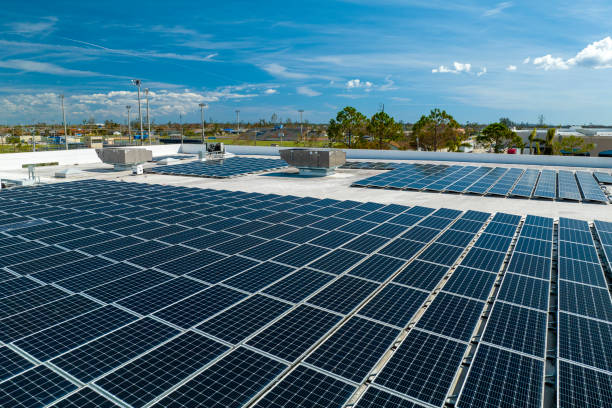
In addition to technology adoption, sustainability has become a major focus area in property management. There’s a growing demand for eco-friendly buildings that minimize environmental impact through energy-efficient appliances, renewable energy sources like solar panels and effective waste management systems. As awareness about climate change increases among tenants and investors alike, sustainable find out everything practices will become an essential aspect of good property management.
Another trend shaping the future of property management is the increased emphasis on tenant experience. Today’s tenants expect more than just a roof over their heads – they want amenities that enhance their lifestyle like fitness centers or coworking spaces; prompt response times; clear communication channels; flexible lease terms etc. Henceforth delivering superior tenant experience will be critical for attracting and retaining occupants.
Additionally there’s a shift towards mixed-use properties which combine residential units with commercial spaces like shops or restaurants within one building or complex offering convenience under one roof – A trend poised to reshape urban living considerably.
Lastly but importantly changing demographics also play a pivotal role in determining trends in real estate market including rise of single-person households leading towards preference for smaller, more affordable units; aging population increasing demand for senior-friendly housing options and millennials prioritizing experiences over material possessions leading to growth of co-living spaces.
In conclusion, the future of property management and by extension real estate market will be shaped by technological advancements, sustainability focus, tenant experience enhancement, mixed-use properties and changing demographics. These trends are not just reshaping how property management functions but also redefining what it means to be a successful property manager in today’s dynamic real estate landscape. As we move forward, those who can adapt to these changes and capitalize on them will lead the way in the industry.